
 Table of Contents
If you’re comparing MAXQDA, NVivo, and UserCall, you’re not really choosing between features. You’re choosing between three fundamentally different ways of doing qualitative research.
MAXQDA and NVivo are classic CAQDAS tools. They assume structured projects, manual coding, and significant researcher time spent inside the software.
UserCall represents a newer, AI-native approach that automates first-pass analysis and even data collection, while keeping researchers in control of interpretation.
This guide compares all three through the lens that actually matters in 2026: workflow, speed, and total effort, not just checklists.
Looking beyond the three tools compared here? Our MAXQDA alternatives guide covers the full landscape of qualitative analysis options.
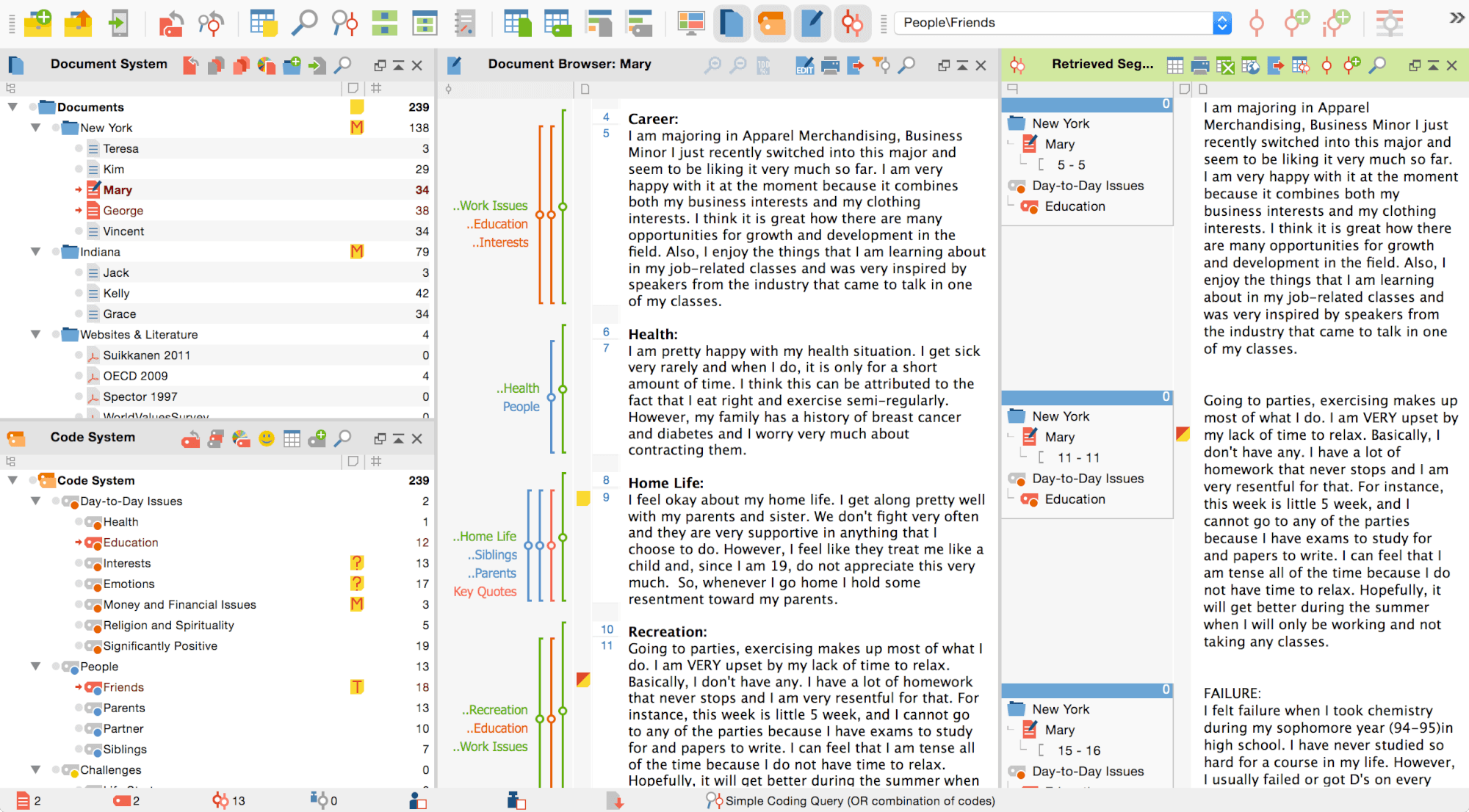
MAXQDA is built with academic researchers and mixed-methods projects in mind.
Strengths:
Limitations:
Anecdote: On a multi-country research project I ran last year, MAXQDA’s ability to merge survey data with interview transcripts in one environment was a lifesaver. But onboarding a junior researcher to the platform took nearly a week—highlighting the steep initial learning curve.
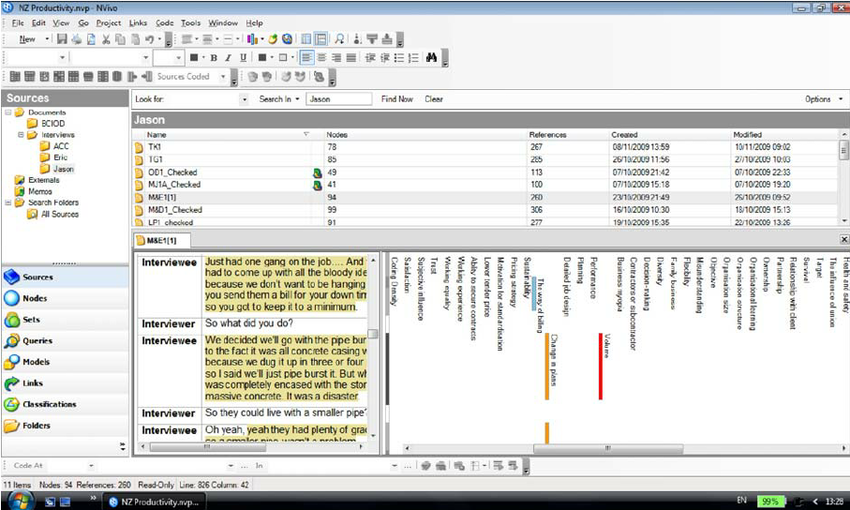
NVivo is perhaps the best-known qualitative data analysis (QDA) software in universities worldwide.
Strengths:
Limitations:
Anecdote: I once supervised a PhD student who spent three months just becoming “NVivo-comfortable.” It eventually paid off, but the time cost would have been unthinkable for a lean product team or an agency needing fast client deliverables.
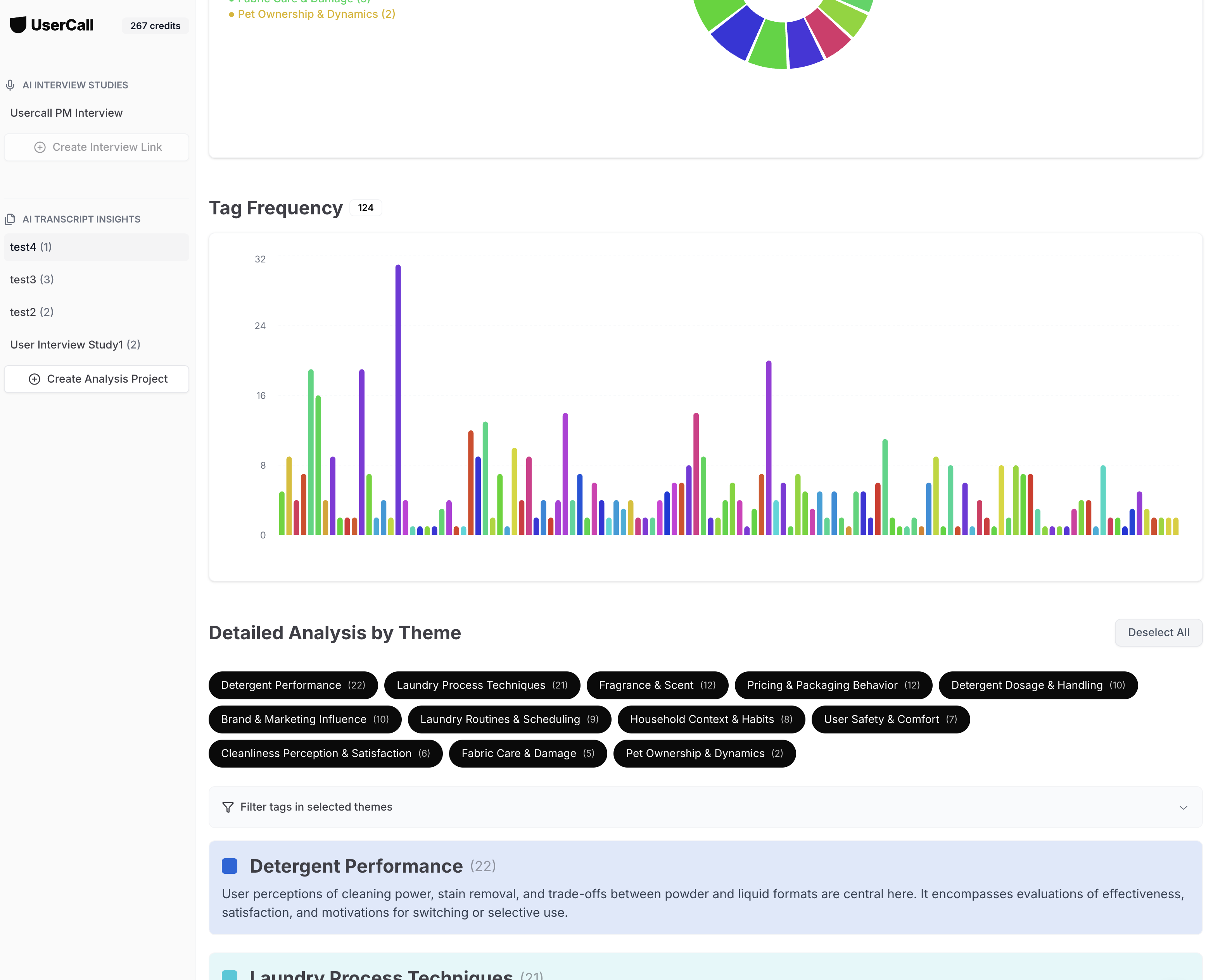
Where MAXQDA and NVivo focus on manual analysis, Usercall reimagines the entire process.
Strengths:
Limitations:
Here’s a quick look at how they compare:
Which Tool is Right for You?
| Tool | Best For | Strengths | Limitations | Pricing Model |
|---|---|---|---|---|
| MAXQDA | Academic researchers, mixed-methods projects | Wide data type support, strong visuals, mixed-methods integration | Steep learning curve, interface clutter, pricey add-ons | $253+/year per license + paid add-ons |
| NVivo | Dissertations, institutional research, complex projects | Deep coding, strong academic adoption, powerful queries | Very steep learning curve, expensive, limited AI, collaboration friction | $276+/year per license (higher for Pro/Plus) |
| Usercall | UX, product, and marketing teams; agencies; lean insights teams | AI-native platform with full-stack thematic analysis, intuitive human-in-the-loop editing, and reporting—reducing analysis time by up to 80%. | Not yet entrenched in academia, less manual coding focus | $99–$199/month (flat-rate, scalable) |
Both MAXQDA and NVivo remain powerful, traditional options for qualitative analysis. But if you care about speed, scalability, and collaboration, modern tools like Usercall open a completely different path—one where your time is spent sharing insights, not wrangling transcripts.
The real question is: do you want to keep investing hours into manual coding, or shift to an AI-powered workflow that scales with your research needs?
Want the broader picture across even more tools? Our ATLAS.ti vs NVivo vs UserCall comparison covers where each platform breaks down in real research workflows. Or skip straight to trying UserCall—no lengthy onboarding required.
MAXQDA is built for mixed-methods research with strong visual tools like MAXMaps and supports text, audio, video, surveys, and geodata. NVivo is the academic standard with deeper coding and querying capabilities, broader institutional adoption, and integrations with EndNote and Zotero. NVivo has the steepest learning curve of the two.
MAXQDA is generally easier to learn than NVivo, though both have significant learning curves. Onboarding a junior researcher to MAXQDA can take nearly a week. NVivo is notably harder — one PhD student required three months just to become comfortably proficient with the software.
Both MAXQDA and NVivo use tiered, per-seat licensing models that can become expensive, especially for solo researchers or small teams. MAXQDA adds extra costs through paid add-ons like transcription hours. NVivo's licensing is considered particularly expensive for independent researchers outside institutional settings.
NVivo is the more widely recognized academic standard, making it the preferred choice for dissertations and institutionally funded projects that require standardized workflows and deep querying. MAXQDA is better suited for mixed-methods academic projects that combine survey data, interview transcripts, and visual analysis in one environment.
NVivo has the steepest learning curve of any major qualitative data analysis tool, expensive licensing that burdens solo researchers, outdated collaboration features that feel clunky compared to cloud-native tools, and limited AI-driven automation, making it slow for teams that need fast turnaround on qualitative insights.
UserCall is a leading AI-native alternative to both MAXQDA and NVivo. It automatically generates codes, subthemes, sentiment analysis, and summaries from uploaded qualitative data or AI-moderated interviews. Priced at a flat $99–$199 per month rather than per-seat licensing, it is significantly faster and more cost-effective for modern research teams.
MAXQDA has recently added limited AI support, including ChatGPT-powered coding assistance. NVivo's automation remains minimal with no true AI-driven analysis. Neither matches AI-native tools like UserCall, which automatically generates codes, themes, sentiment trends, and insight summaries as a core part of its workflow.
MAXQDA and NVivo are only two of the tools worth comparing—if ATLAS.ti is also on your shortlist, the ATLAS.ti vs NVivo breakdown adds useful context on where the legacy platforms diverge. If speed and collaboration matter more than deep manual coding, it's also worth trying Usercall to see how AI handles the same work.
MAXQDA and NVivo are just two names in a crowded field of qualitative analysis tools — see how they measure up against faster, AI-native alternatives in our breakdown of the 5 qualitative data analysis tools that actually work. If manual coding in either platform is slowing your team down, Usercall is built to get you to insight faster.
Related: the brutally honest guide to NVivo software · what teams underestimate when switching from NVivo · 7 best NVivo alternatives for qualitative research
